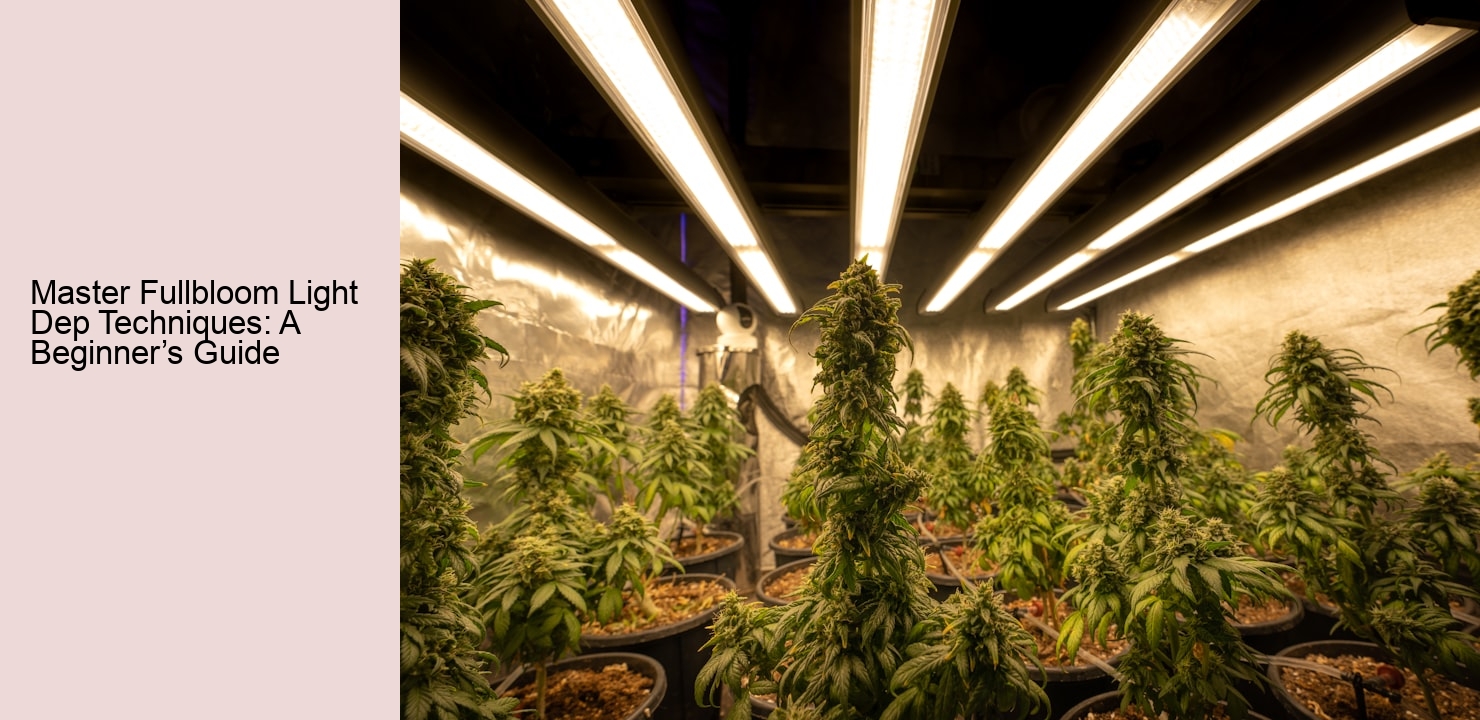
Master Fullbloom Light Dep Techniques: A Beginner's Guide
Introduction
In the world of horticulture, achieving a successful yield is both an art and a science. One of the innovative methods that has gained popularity among growers is the Fullbloom Light Dep Technique. Read more about Fullbloom Light Dep here. Short for light deprivation, this method allows gardeners to manipulate the light exposure of plants, particularly useful for cannabis cultivation, to control and optimize flowering cycles. This essay aims to introduce beginners to the basics of Fullbloom Light Dep Techniques, highlighting its benefits, setup process, and essential tips for success.
Understanding Light Deprivation
Light deprivation, often abbreviated as light dep, is a technique used to simulate specific seasonal conditions by altering the light cycle of plants. By providing a controlled environment where plants receive less light, growers can induce the flowering phase earlier than it would naturally occur. This technique is especially advantageous for plants that are light-sensitive and rely on specific daylight hours to bloom.
Benefits of Fullbloom Light Dep Techniques
One of the primary benefits of the Fullbloom Light Dep Technique is its ability to produce multiple harvests in a single growing season. By controlling the light exposure, growers can trigger flowering at will, allowing for a quicker turnaround and increased yield. Additionally, this method can help prevent pest infestations and environmental stresses, as plants are often kept in a more controlled setting.
Moreover, light deprivation allows for greater control over the quality and potency of the crop. By managing the light cycle, growers can enhance the plants characteristics, such as aroma, flavor, and cannabinoid content. This level of control is particularly beneficial for commercial growers seeking to meet specific market demands.
Setting Up a Light Dep System
Setting up a Fullbloom Light Dep system can seem daunting for beginners, but with the right guidance, it becomes manageable. The first step is to choose an appropriate structure, such as a greenhouse or hoop house, that allows for easy manipulation of light exposure. This structure should be equipped with blackout materials or tarps that can be used to cover the plants and block out light effectively.
Next, it is essential to install a reliable ventilation system to ensure proper air circulation and prevent mold or mildew. Temperature and humidity control are also critical, as they can significantly impact plant health and productivity. Automated systems for opening and closing the blackout covers can be a worthwhile investment, especially for larger operations, as they offer precision and consistency.
Essential Tips for Success
To master the Fullbloom Light Dep Technique, growers should pay close attention to timing and consistency. Plants should be exposed to light and darkness at the same time each day to avoid confusing their natural rhythms. This consistency helps ensure uniform flowering and reduces the risk of stress-related issues.
Monitoring environmental conditions is equally crucial. Regularly checking temperature, humidity, and ventilation will help maintain an optimal growing environment. Additionally, investing in quality blackout materials and equipment will improve the efficiency and effectiveness of the light dep system.
Finally, understanding the specific needs of the plants being grown is vital. Different strains and species may require adjustments in light cycles, nutrient levels, and environmental conditions to achieve the best results. Keeping detailed records of each cycle can help identify successful strategies and areas for improvement over time.
Conclusion
The Fullbloom Light Dep Technique offers an innovative approach to horticulture, providing growers with the tools to enhance yield, quality, and control over their crops. While it may require an initial investment of time and resources, the benefits of multiple harvests,